

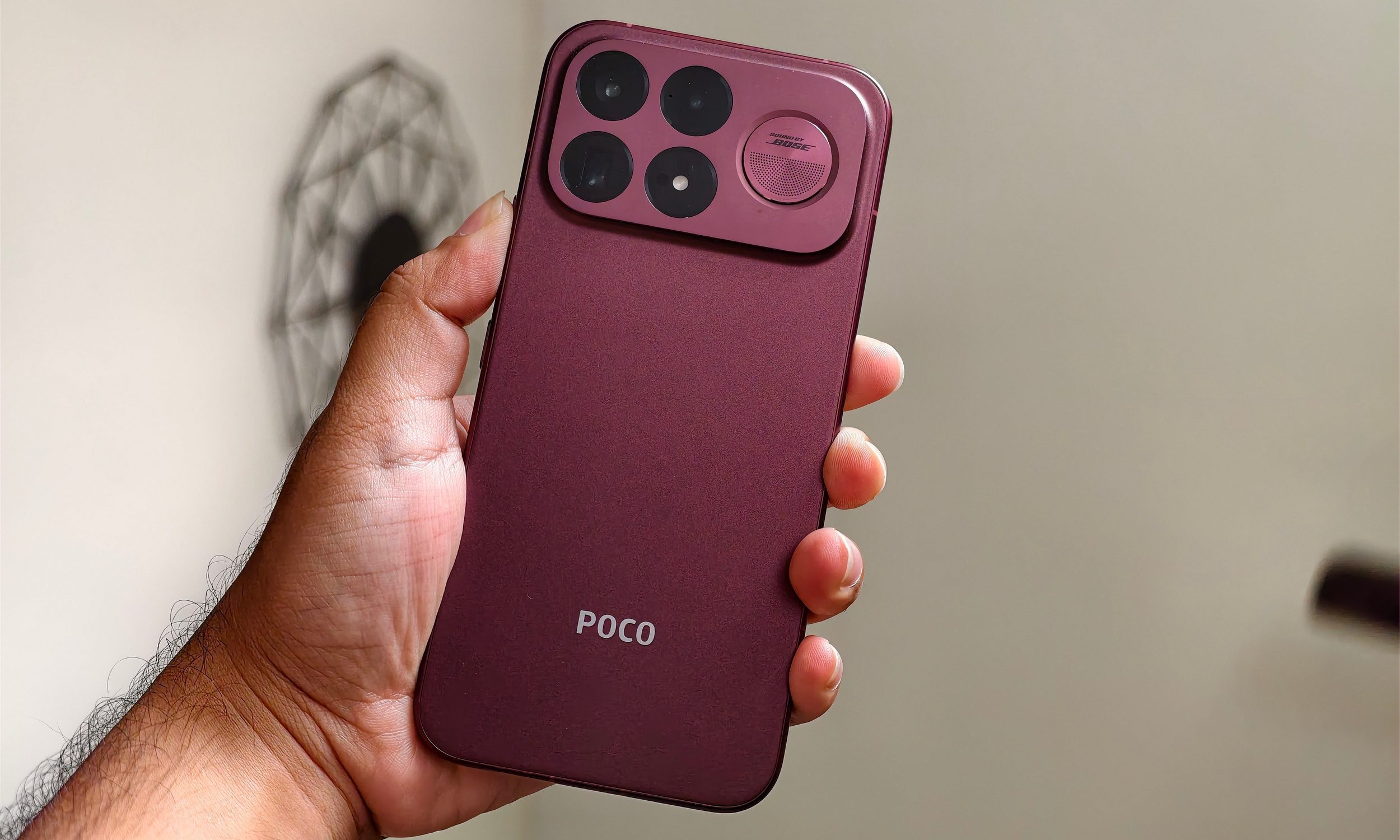
POCO F9 Ultra
MSRP $799.00

“A huge battery, flagship performance, and surprisingly good speakers give the F9 Ultra a personality most value flagships never find.”
Pros
- Gigantic battery that brings top-tier battery life
- Flagship-grade performance
- Bose-tuned speakers are genuinely impressive
- Fast 100W charging
- Very good 5x telephoto camera
- Excellent ultrasonic fingerprint sensor
- Plenty of storage and RAM options
Cons
- Heavy and tiring for one-handed use
- Fiberglass rear lacks true flagship tactility
- Ultrawide and selfie cameras could be better
- Can get very hot under prolonged synthetic loads
- US buyers will likely need to import it
Quick Summary
Smartphone brands have a lot of ways to get someone interested in a new phone. Better cameras, faster chips, thinner designs, or increasingly elaborate AI features usually do the job. POCO, on the other hand, is making its latest flagship a one-stop entertainment solution for gaming and media by putting a subwoofer in it.
This was what got me interested in the POCO F9 Ultra in the first place. I had already spent time talking about its Bose-tuned 2.1-channel speaker setup after it managed to cut through the noise at a party. Now, after around a month with the phone, the speaker isn’t actually the reason I kept reaching for it.
I used the F9 Ultra as my primary phone for two weeks before moving on to the Pixel 11 Pro for another review. Yet the POCO never really left my desk. It became the phone I grabbed when I wanted to play something, blast music around the room, or just watch a video. And even after leaving it alone for a bit, the reliability of its undying battery had me hooked.
The F9 Ultra starts at $799 for the 12GB/256GB model, while my top-end 16GB/1TB version costs $1,199 in markets using POCO’s global dollar pricing. European pricing is considerably higher, and POCO still doesn’t have a conventional US retail launch, so American buyers are largely looking at global imports. Still, the phone offers pretty outrageous specs for its $799 starting price.
POCO F9 Ultra specs
| Processor | Snapdragon 8 Elite Gen 5 |
| Secondary chipset | VisionBoost D8 |
| RAM | 12GB / 16GB LPDDR5X |
| Storage | 256GB / 512GB / 1TB UFS 4.1 |
| Display | 6.9-inch AMOLED, 2608 x 1200 |
| Refresh rate | Up to 185Hz |
| Brightness | 2,200 nits HBM, up to 10,000 nits at 1% APL |
| Main camera | 200MP, f/1.68, OIS |
| Telephoto | 50MP, 5x, 120mm, OIS |
| Ultrawide | 50MP, 17mm |
| Selfie | 32MP |
| Battery | 8,050mAh |
| Wired charging | 100W |
| Wireless charging | 50W |
| Audio | Dual stereo speakers + independent 1620 subwoofer, Sound by Bose |
| Protection | IP68 |
| Software | HyperOS 3 |
| Weight | 235g |
| Thickness | 8.74mm |
| Starting price | $799 |
| Review unit | 16GB + 1TB, Dark Cherry |
Design: Lovely color but no premium glass
Quick Take: The Dark Cherry F9 Ultra looks elegant and surprisingly restrained, although the fiberglass back gives away where POCO saved some money.
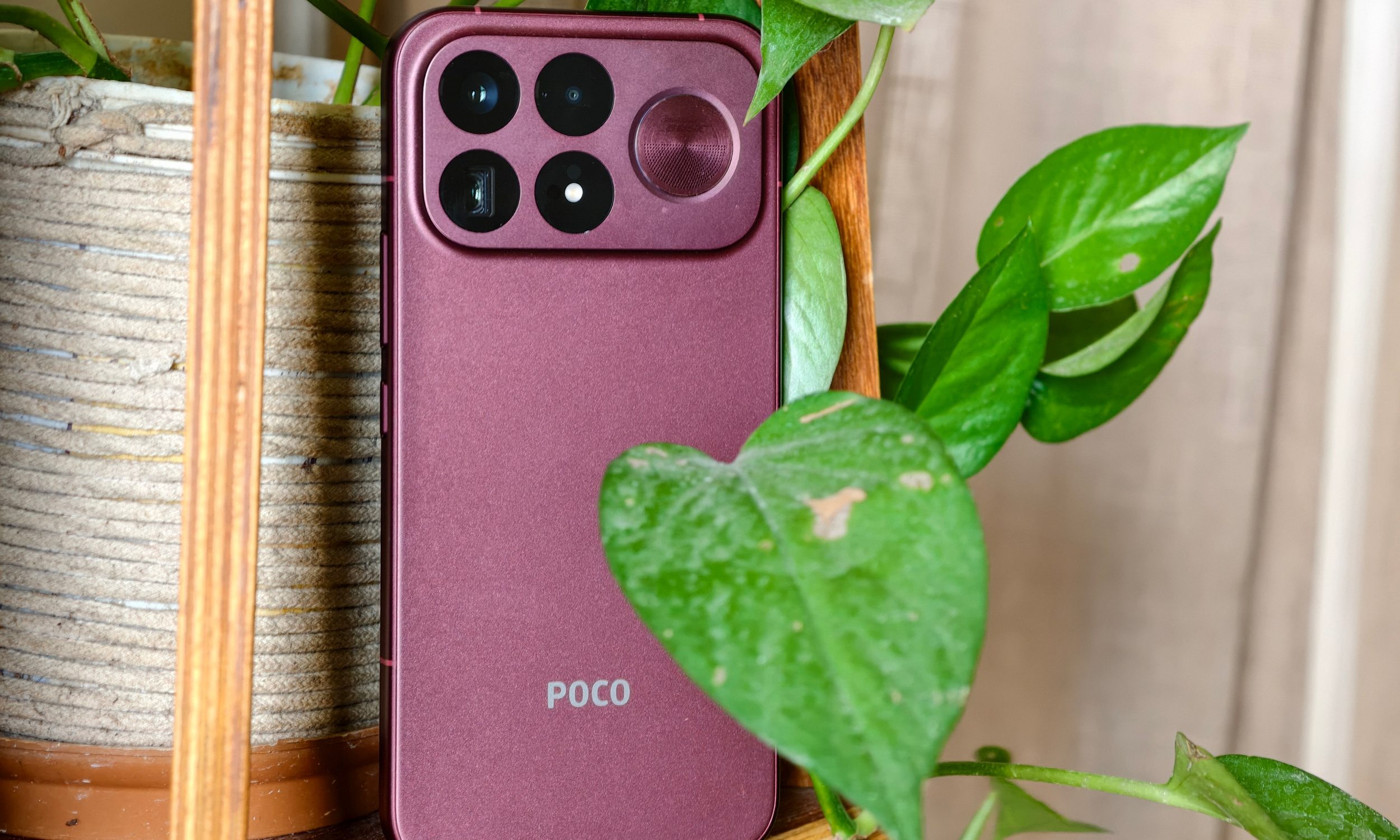
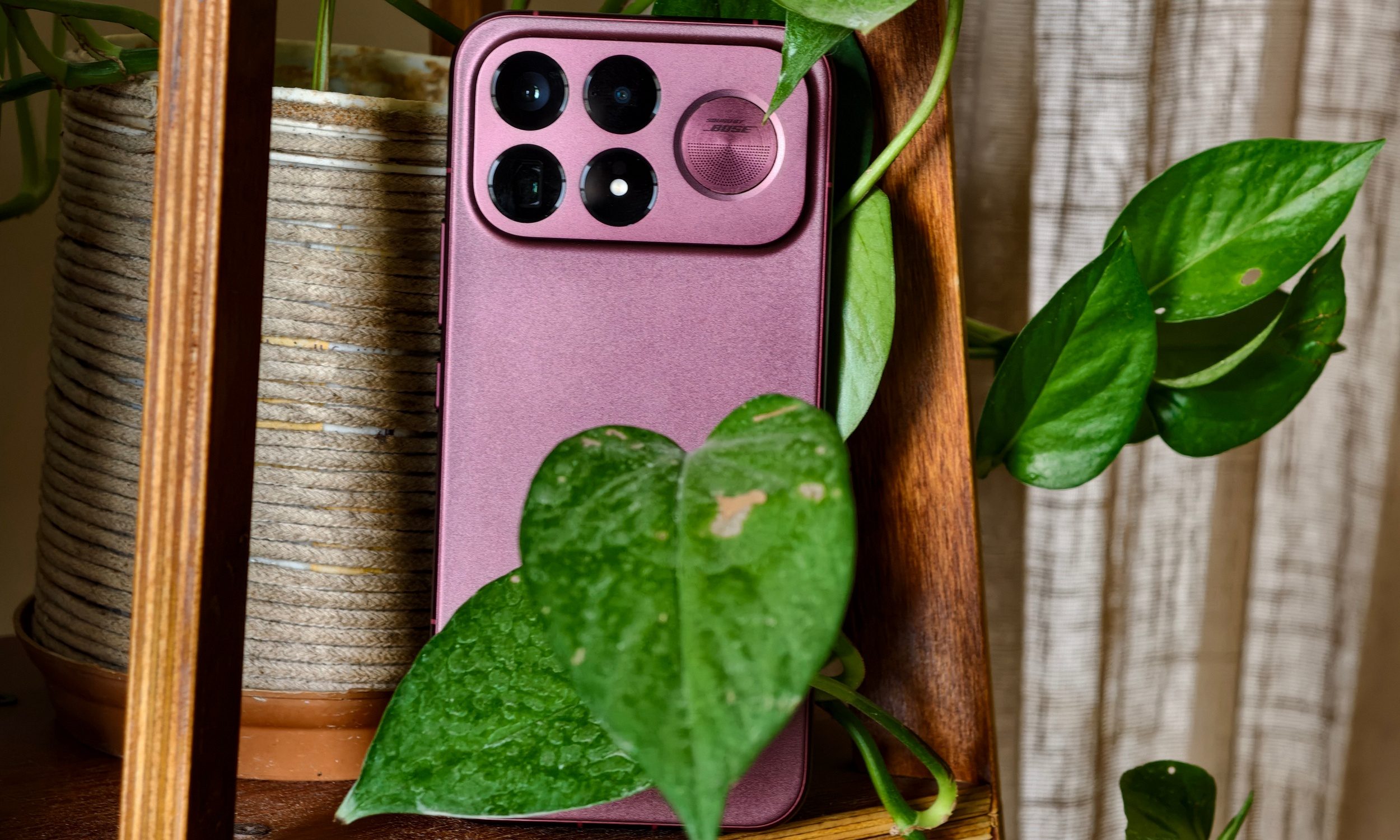
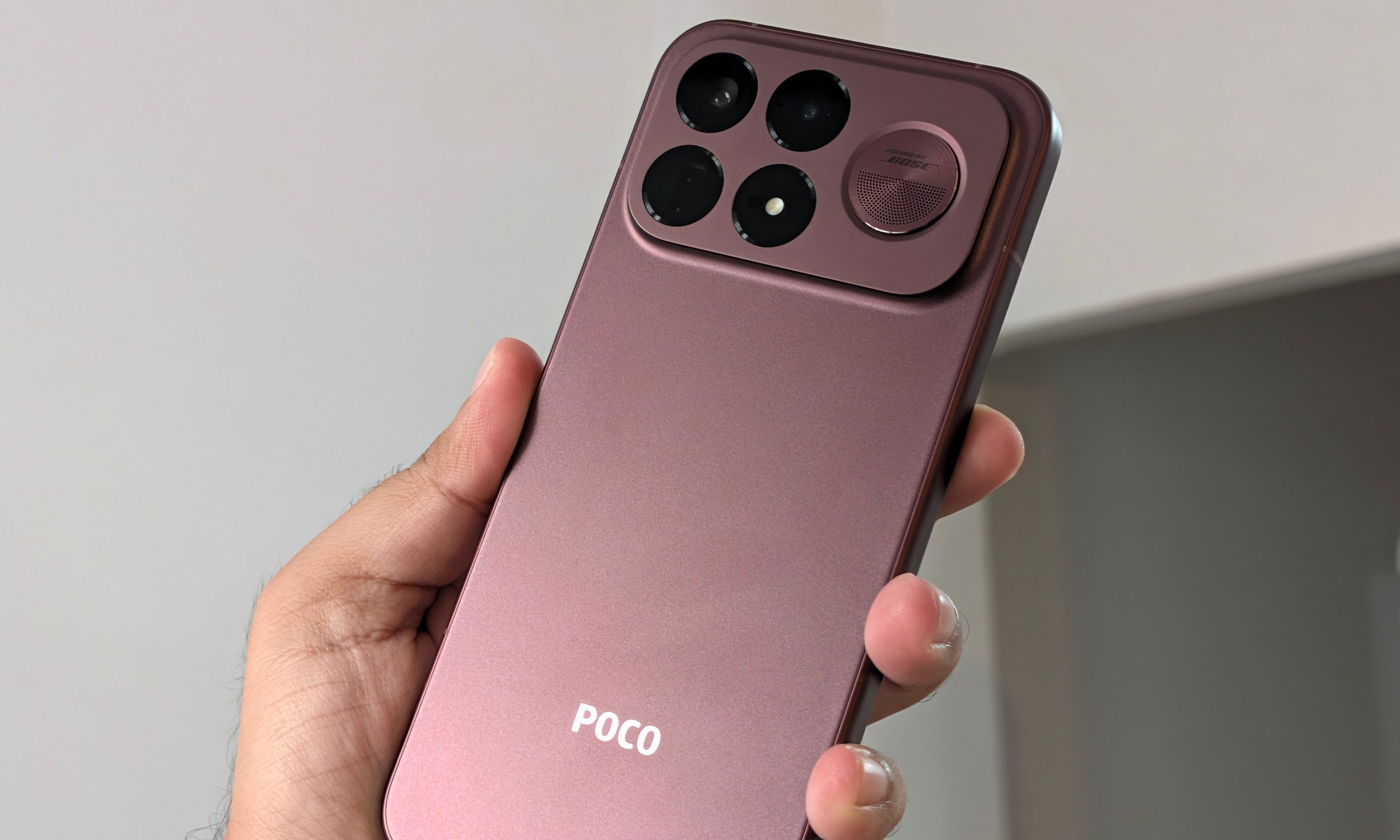
The F9 Ultra looked familiar the moment I took it out of the box. I had just come from using the Xiaomi 17T Pro, and the broad rectangular camera area follows the same general direction Xiaomi has adopted across some of its recent phones. The Dark Cherry finish is gorgeous. It is colorful without looking overly bright or childish, and it suits the massive camera and speaker module much better than I expected.
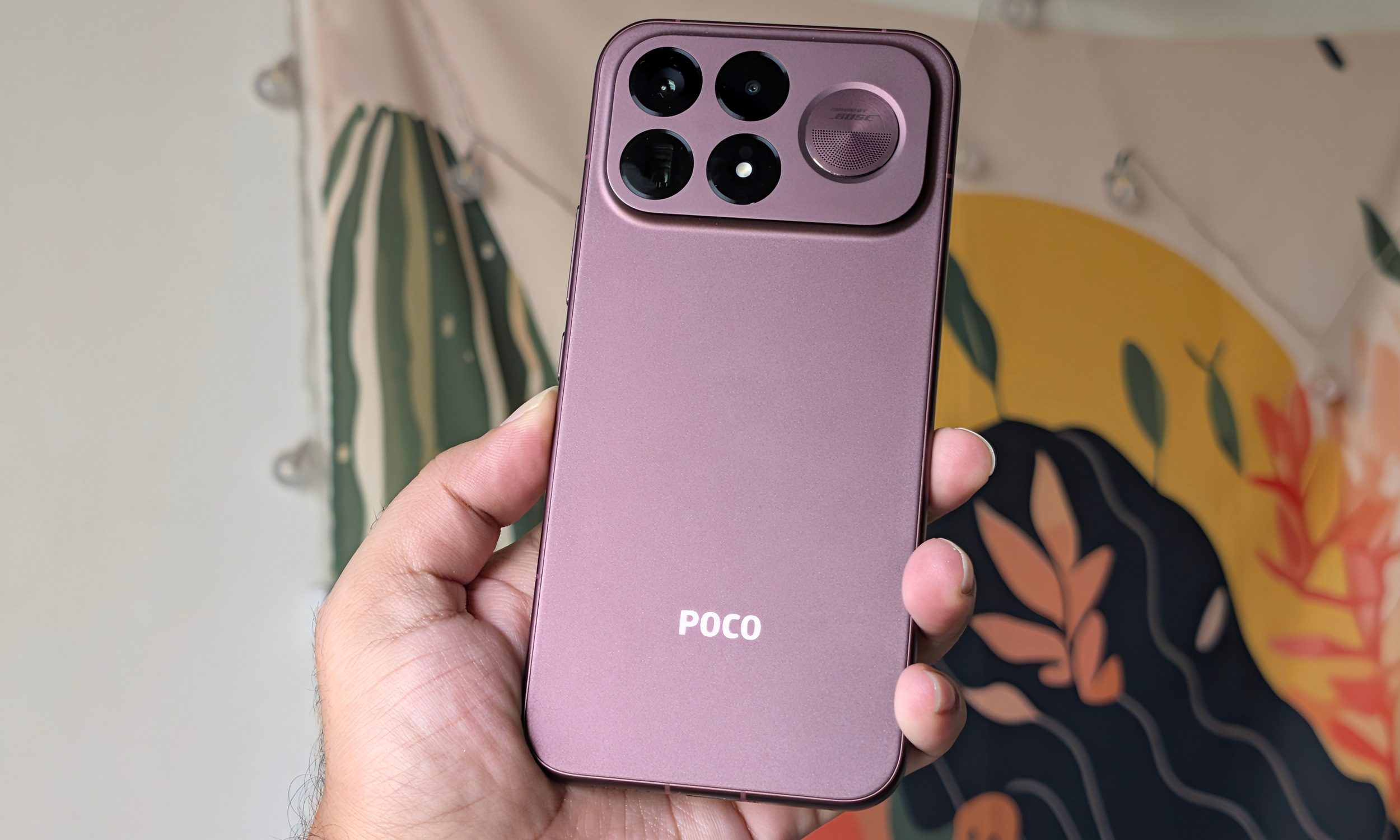
The phone itself is rigid and reassuringly solid. POCO uses a metal frame alongside a fiberglass rear panel, and the latter is where the difference between this and a more expensive Xiaomi flagship becomes apparent. The Xiaomi 17T Pro can easily stand beside considerably more expensive flagship phones from Samsung or Google in terms of materials. The F9 Ultra doesn’t quite reach that level.
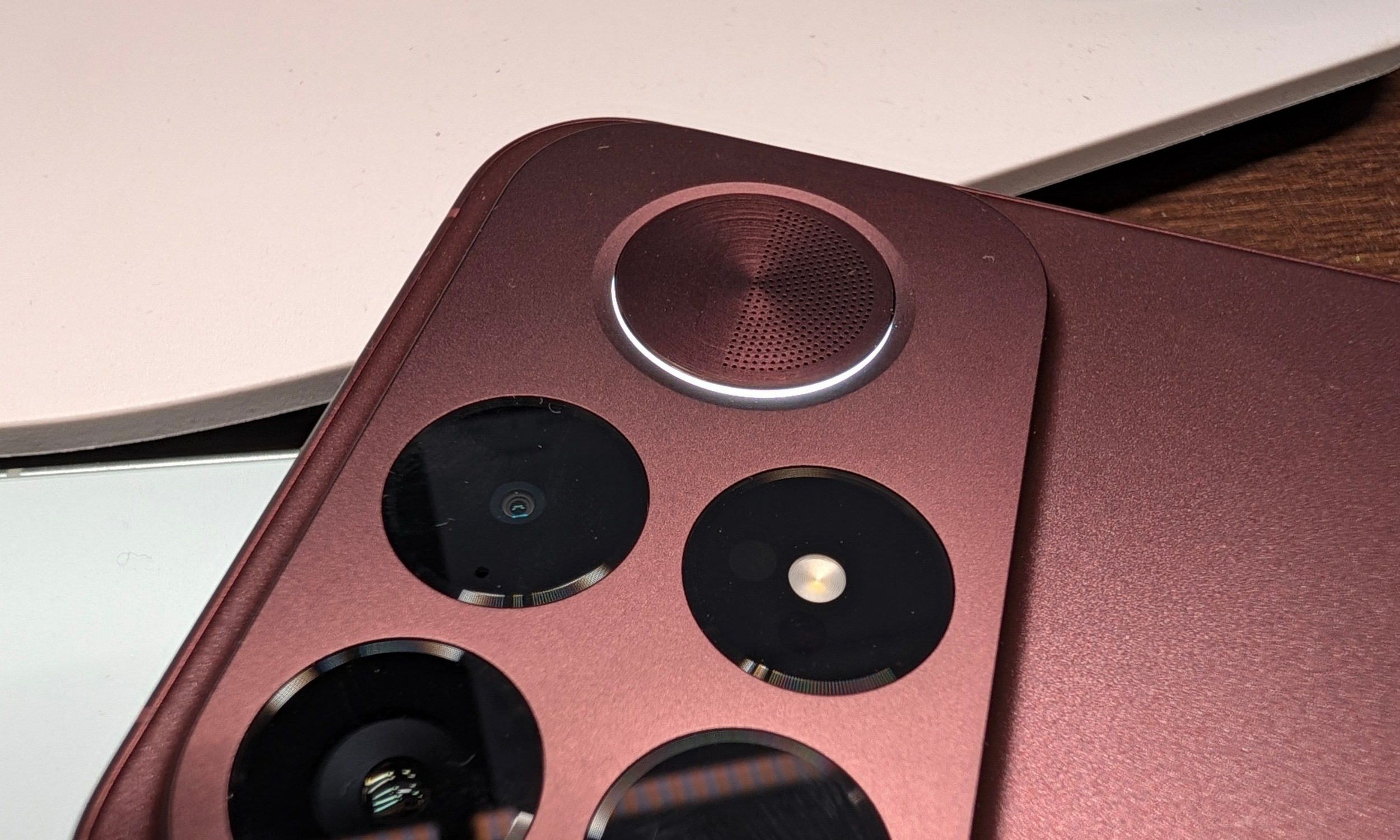
It still comes across as expensive. The back simply lacks some of that dense, cool glass tactility you get from pricier phones. There is an upside to this. Fiberglass is less likely to shatter than a glass rear, even if scratches become a bigger concern over time. My unit has survived a month of caseless use without picking up any obvious ones. Caseless use also highlighted another issue, which is how slippery this phone is.
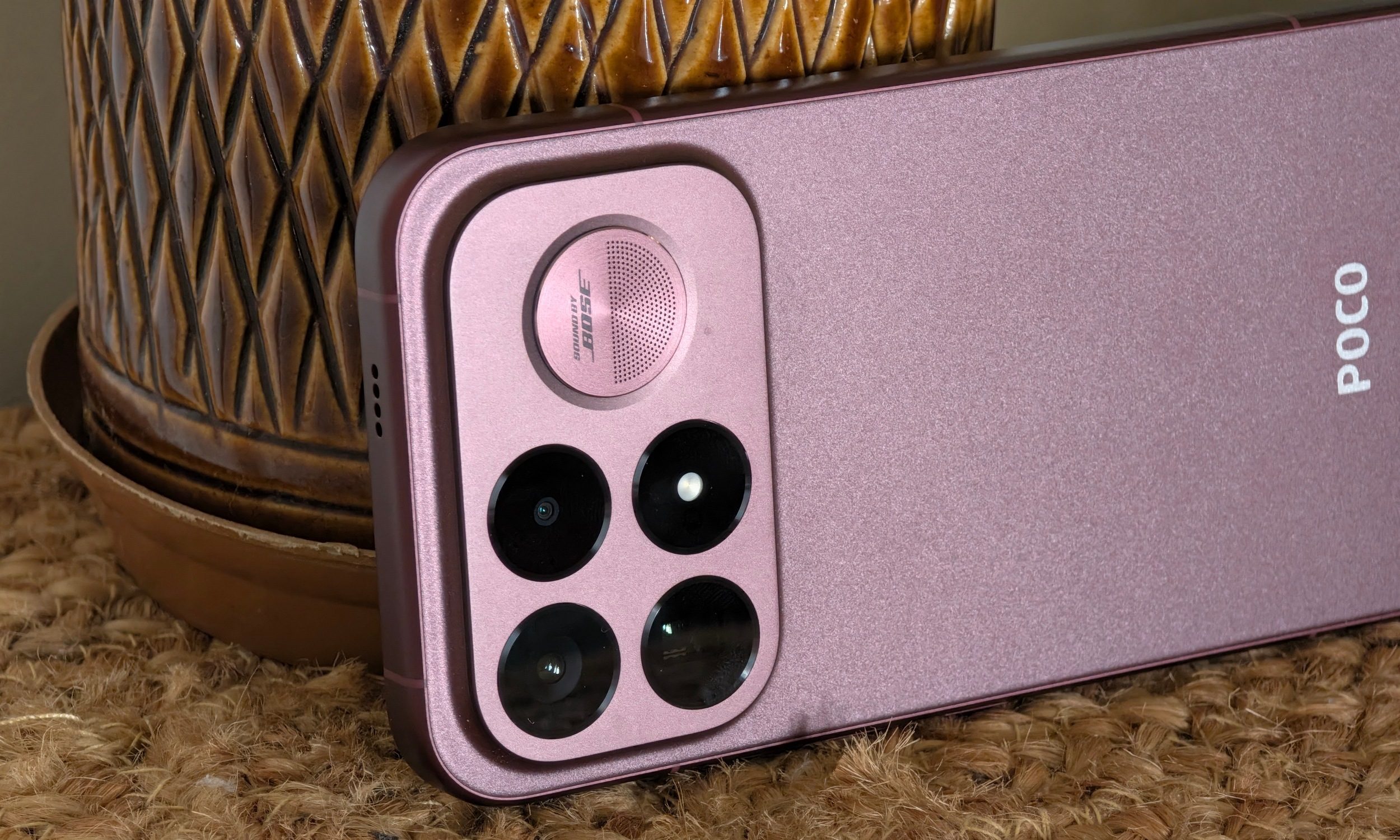
That’s not all; it is seriously heavy too. At 235 grams, it is hitting nearly foldable territory, and you notice it quickly when you’re holding the phone one-handed. Thankfully, it doesn’t feel horribly top-heavy despite the giant camera and subwoofer assembly. The dynamic light surrounding the rear speaker also grew on me. POCO supports visual effects for calls, notifications, music, and selected games, and the implementation is restrained enough that I kept it enabled rather than immediately turning it off. Right off the bat, it is a lot more programmable and useful than the Pixel 11 Pro’s new HiLight feature.
Design score: 7/10
Display: Almost too bright and smooth
Quick Take: A huge, bright AMOLED makes the F9 Ultra great for games and videos, assuming you’re fine carrying a huge phone.
The 6.9-inch AMOLED is another area where POCO clearly wasn’t cutting corners. Resolution sits at 2608 x 1200, while the panel can reach 185Hz in supported scenarios. POCO also claims 2,200 nits in high brightness mode and a rather silly 10,000-nit figure across 1% of the display during very specific HDR situations. More useful is the 1-nit minimum brightness, which makes late-night use far more comfortable.
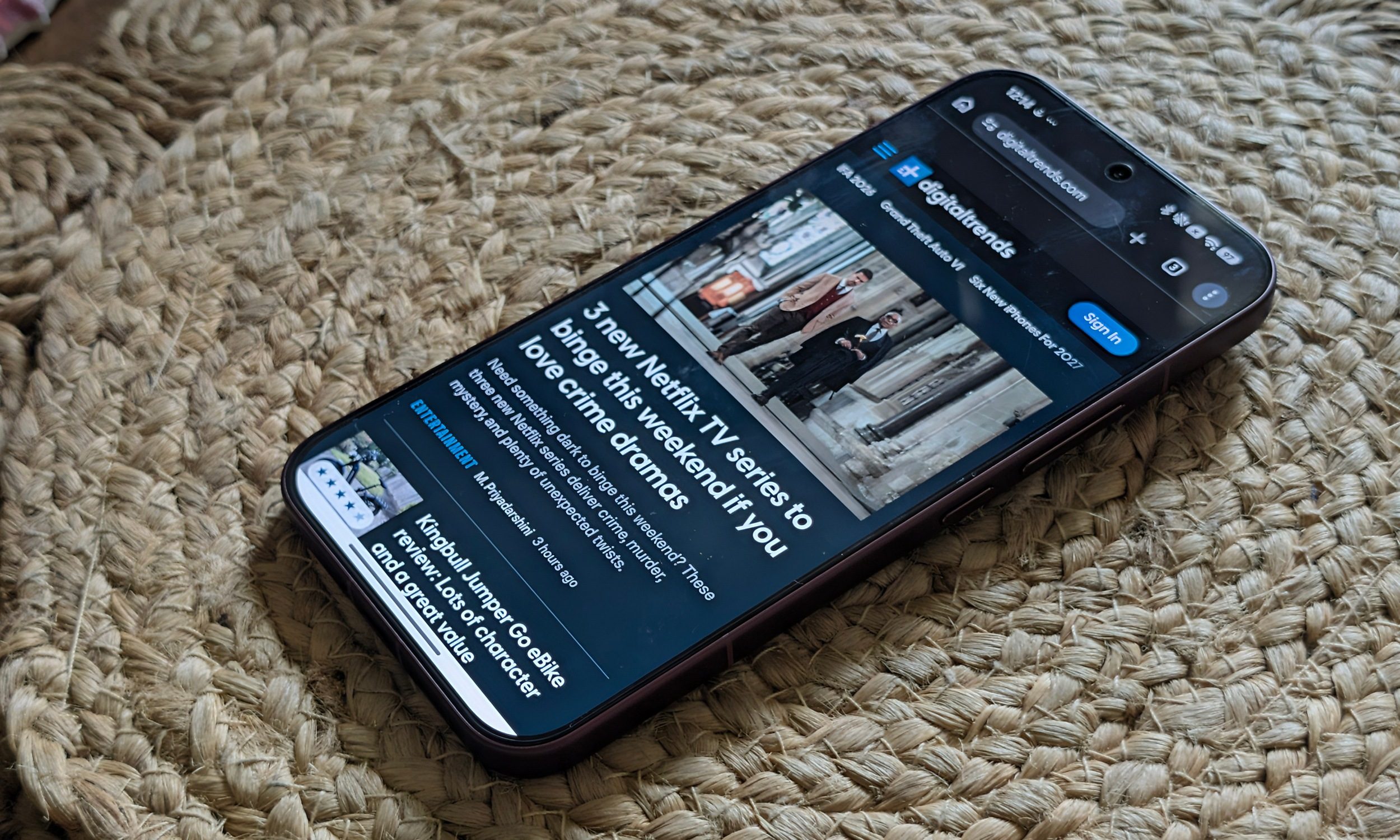
Outdoor visibility was never a problem. Even manual brightness can get extremely high, while automatic brightness pushes things further when sunlight demands it. The reflectivity, however, is a downside. There is no fancy anti-reflective treatment here, so you’ll still notice reflections outdoors.

I kept the display on its natural color setting, which gives the panel a more realistic presentation. HDR content looks excellent. Netflix and YouTube can really make use of that high brightness, and the huge panel gives movies and videos plenty of room. POCO heavily advertises the 185Hz number, though you shouldn’t expect the interface to constantly run at that speed. The phone generally operates around 120Hz and can drop to 60Hz when appropriate.

The higher modes are mainly relevant to supported games, with POCO advertising a 20-plus-title ecosystem for its 185fps technology. Going from 120Hz to 185Hz isn’t transformative in normal phone use, and most people probably won’t care outside games.
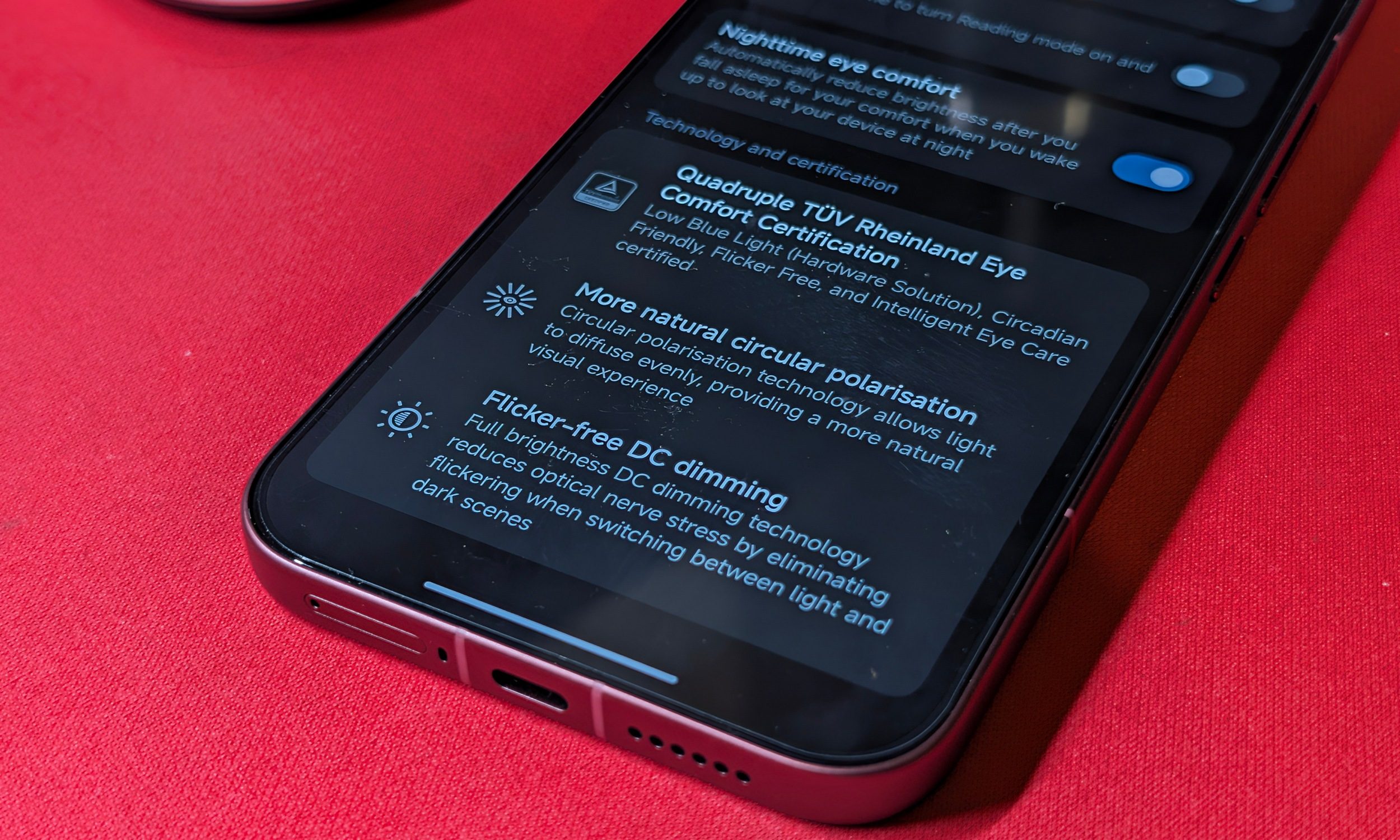
The panel also supports up to 480Hz multi-touch reporting and a 4,800Hz instant sampling mode through Game Turbo. I can’t say I suddenly became better at shooters because of it. Even so, inputs stayed responsive, and I never ran into obvious lag. And if you’re familiar with my reviews, you know I don’t like phablets, and at 6.9 inches, this is one tall phone.
Display score: 8.5/10
Performance: Doesn’t pull any punches, even if it runs hot doing it
Quick Take: The F9 Ultra gets remarkably close to dedicated gaming phones, and my own AnTuTu run actually beat POCO’s advertised result.
The Snapdragon 8 Elite Gen 5 is paired with up to 16GB of LPDDR5X memory and 1TB of UFS 4.1 storage. My review unit was absolutely buttery smooth during normal use. Apps launched quickly, multitasking was effortless, and I didn’t notice random stutters during the entire review period. I put the POCO F9 Ultra through some synthetic benchmarks, and the figures did not disappoint at all.
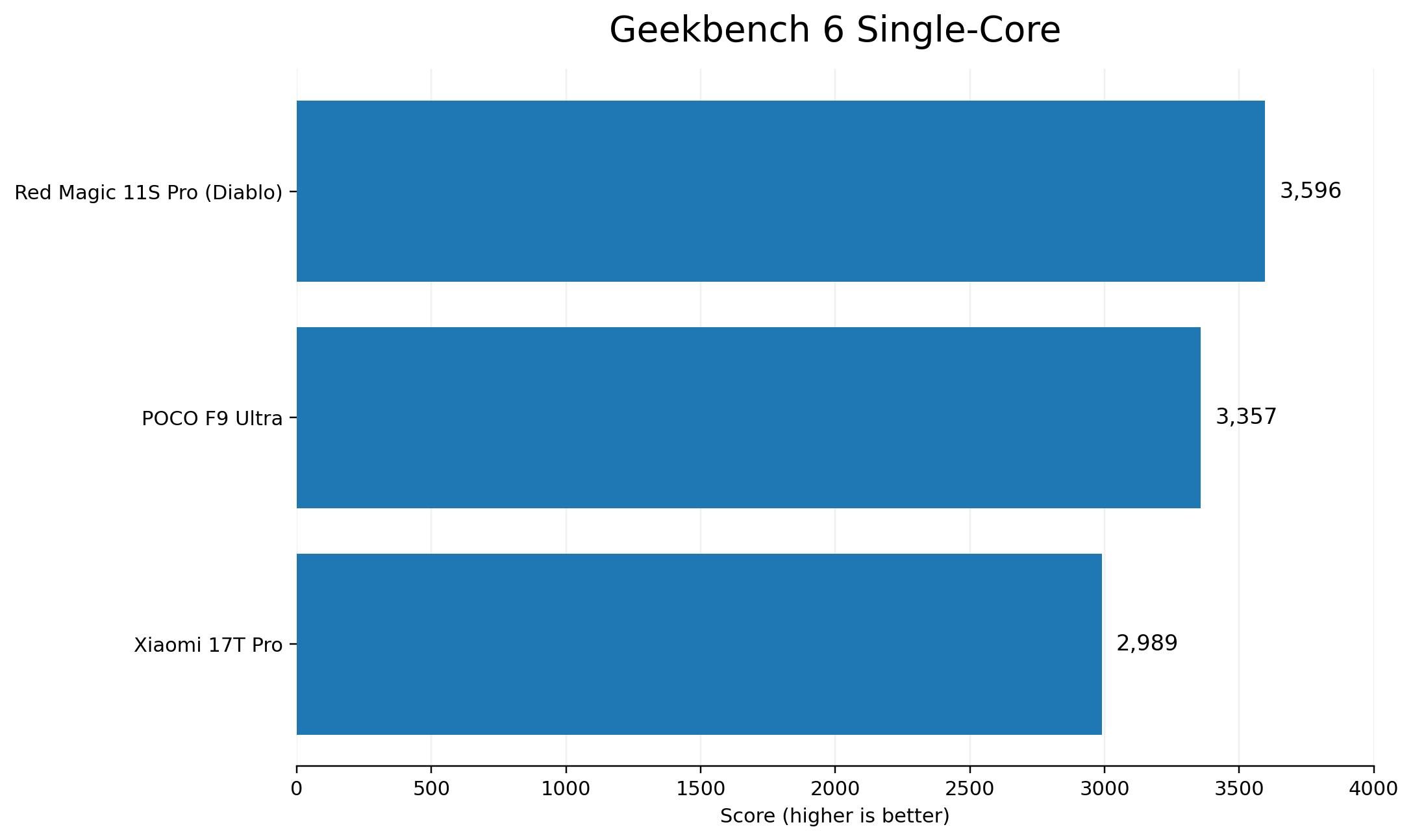
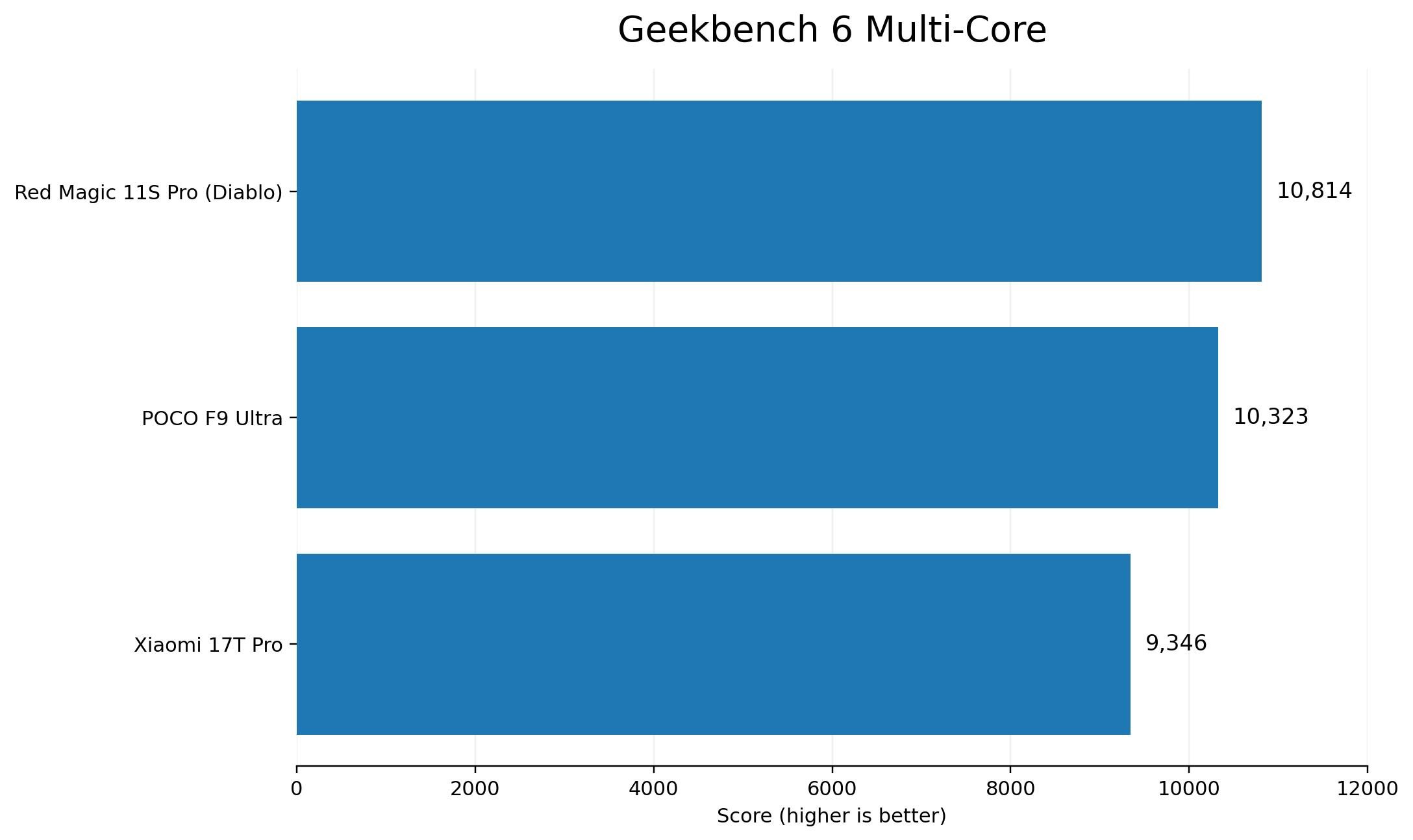
Geekbench 6 returned 3,357 in single-core and 10,323 in multi-core. For context, my Xiaomi 17T Pro scored 2,989 and 9,346 respectively. The Red Magic 11S Pro managed 3,596 and 10,814 in its considerably more aggressive Diablo performance mode. That puts the F9 Ultra surprisingly close to a phone with active cooling and a 24,000rpm fan.
On AnTuTu (v11), the F9 Ultra scored 4,232,997, which is even more impressive. POCO advertises an AnTuTu V11 score of 4,165,108. My result landed slightly above even that headline number. 3DMark followed the same pattern. Wild Life Extreme returned 7,360 at 44.07fps, while Steel Nomad Light scored 2,983 at 22.10fps. The Red Magic 11S Pro managed 8,022 and 3,058 respectively, while the Xiaomi 17T Pro hit 6,258 and 2,418.
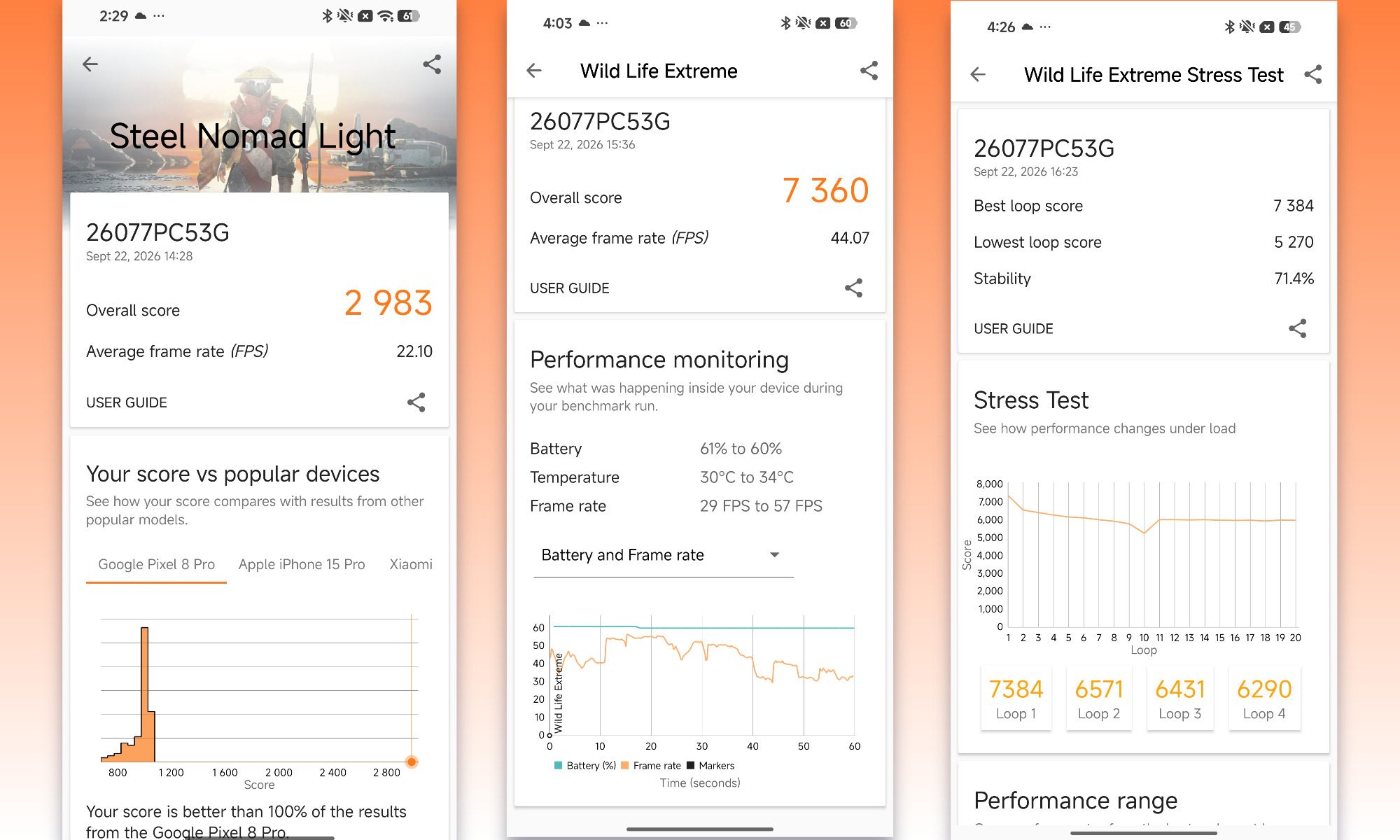
This makes the F9 Ultra a lot faster than the 17T Pro, which, for context, packs MediaTek’s flagship Dimensity 9500 SoC. Sustained performance also showed some interesting results. The Wild Life Extreme Stress Test returned a best loop of 7,384, a lowest loop of 5,270, and 71.4% stability, beating the 58.9% stability I recorded on the Xiaomi 17T Pro and the Red Magic’s 45% result in my previous testing.
All of this came at a cost, however. The F9 Ultra reached 52 degrees Celsius during that run, while battery dropped from 60% to 46%. That’s an intentionally brutal synthetic load, and everyday use never came close to producing that kind of heat. Still, it shows that POCO is willing to let this chipset run hard. Camera use and 100W charging can also warm the phone up, but neither became uncomfortably hot during my regular use.
Performance score: 9/10
Gaming
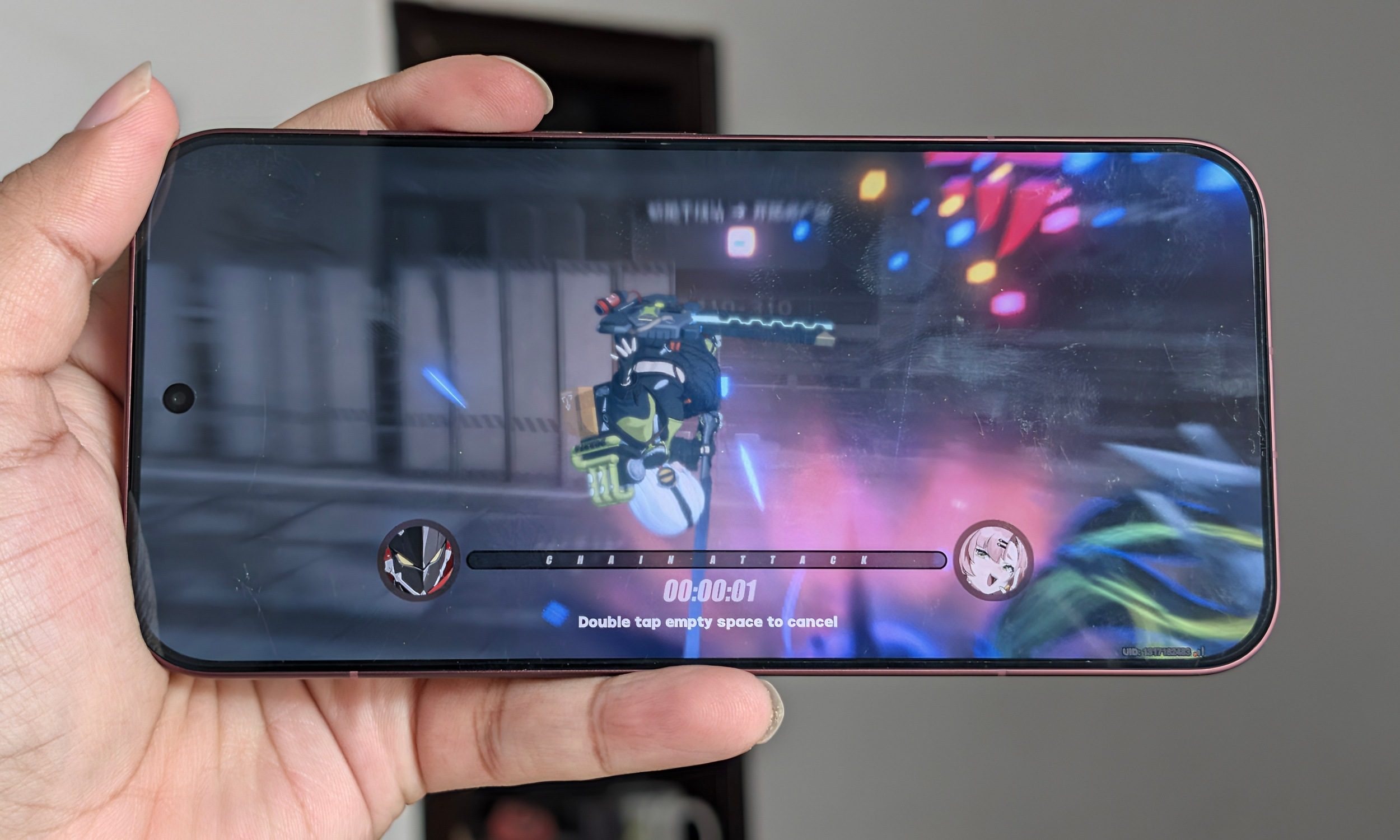
This is where I started appreciating the F9 Ultra in particular. It doesn’t look anything like the Red Magic 11S Pro. There are no shoulder triggers, visible coolant channels, spinning fans, or huge gamer logos. Put it on a table, and most people would probably assume it’s another oversized premium Android phone. Under the hood, POCO has pulled out the best specs for gaming.
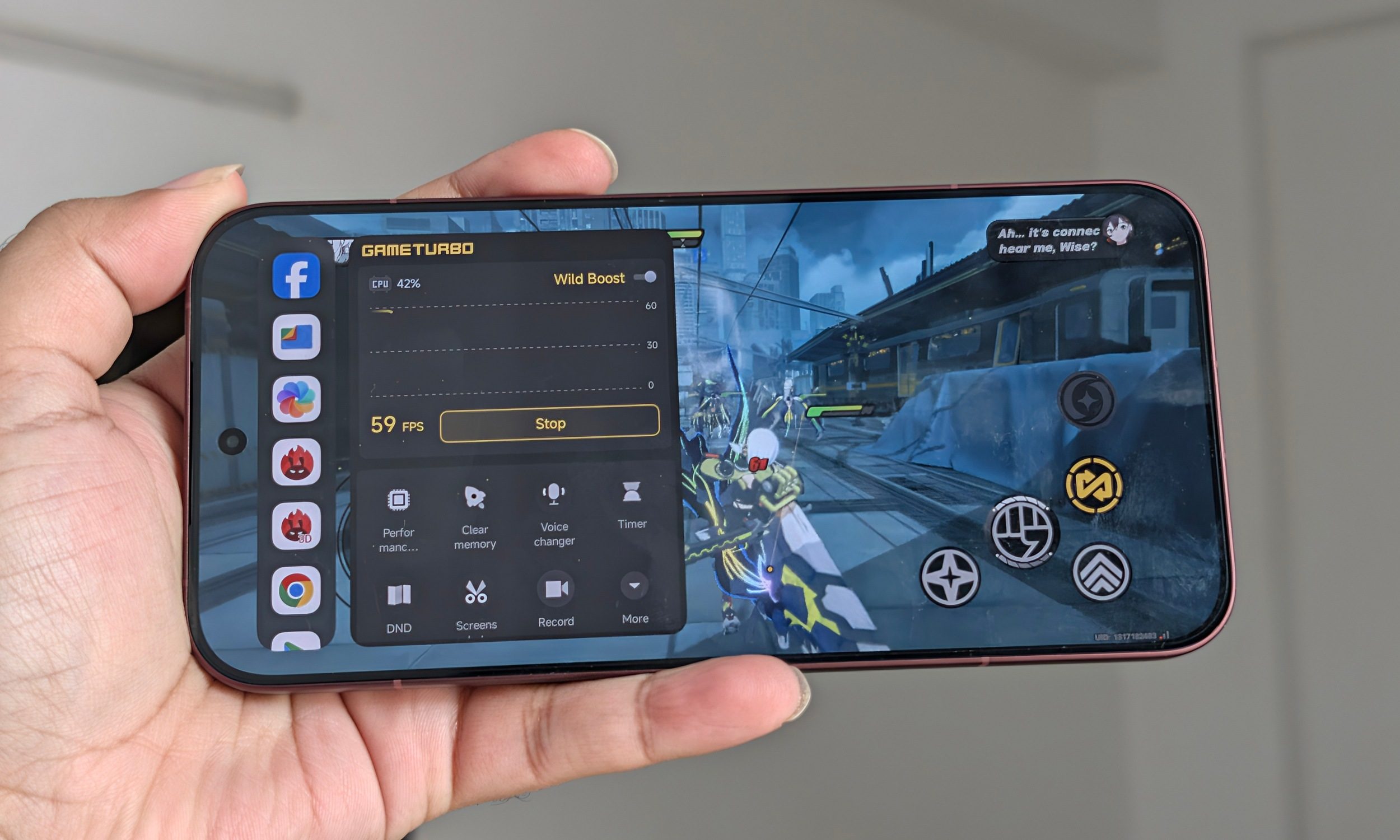
The phone stayed responsive and ran at the top available frame rates for any game. I tried PUBG Mobile, which, despite the lack of higher refresh rate support, managed a smooth 90fps. However, global variants are expected to get 120fps mode support, with frame interpolation taking it up to 185fps. I also tried Zenless Zone Zero, which brought the Pixel 11 Pro to its knees, and it handled that game without breaking a sweat.
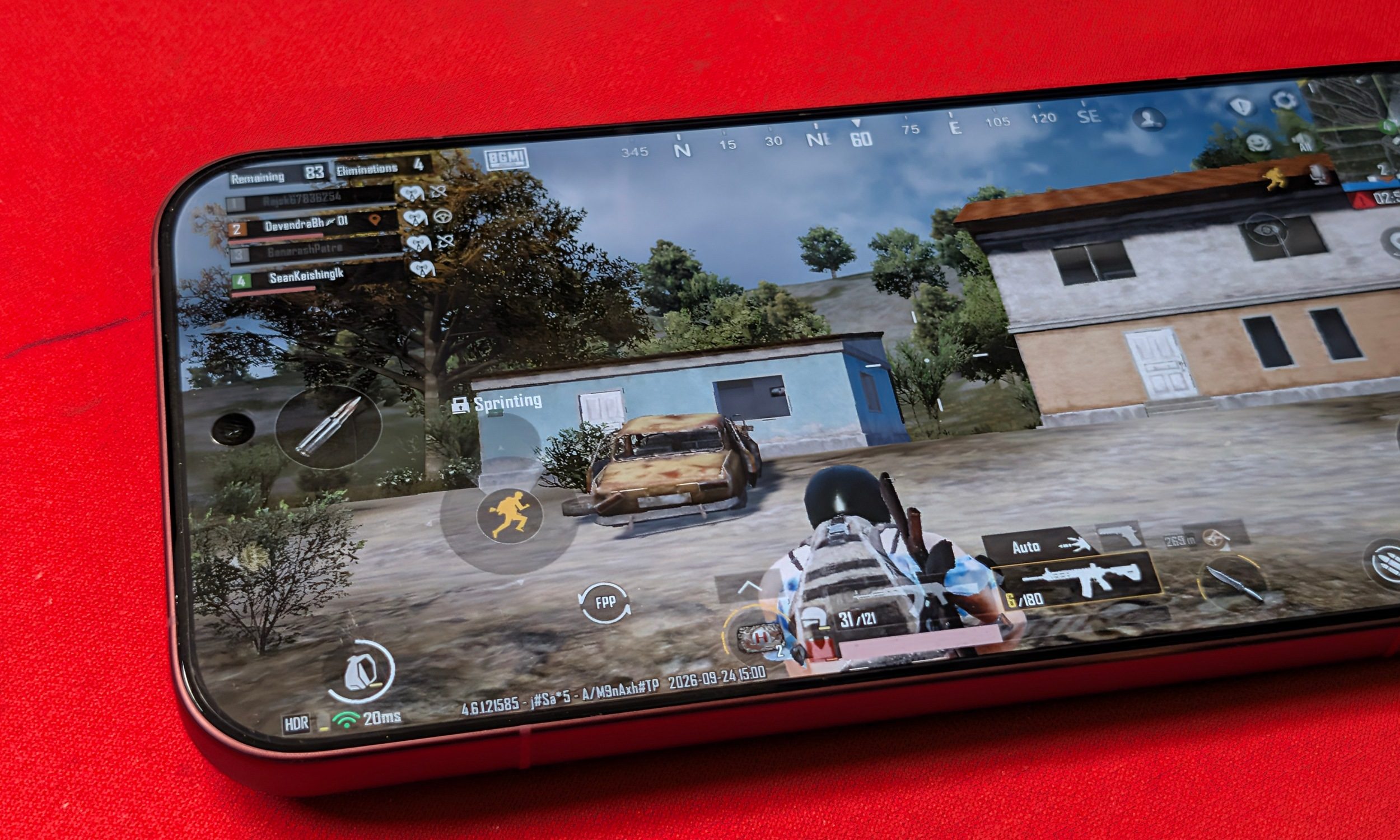
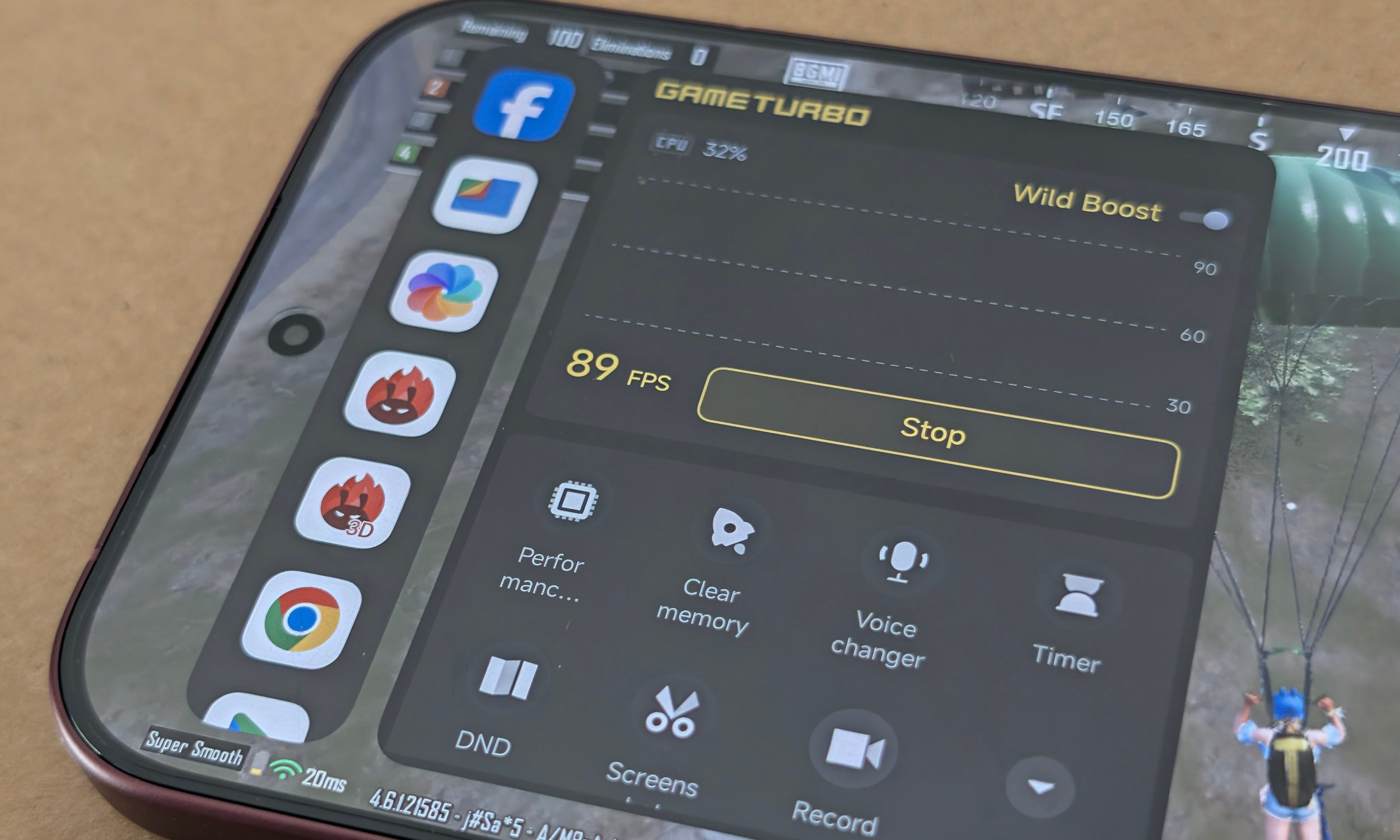
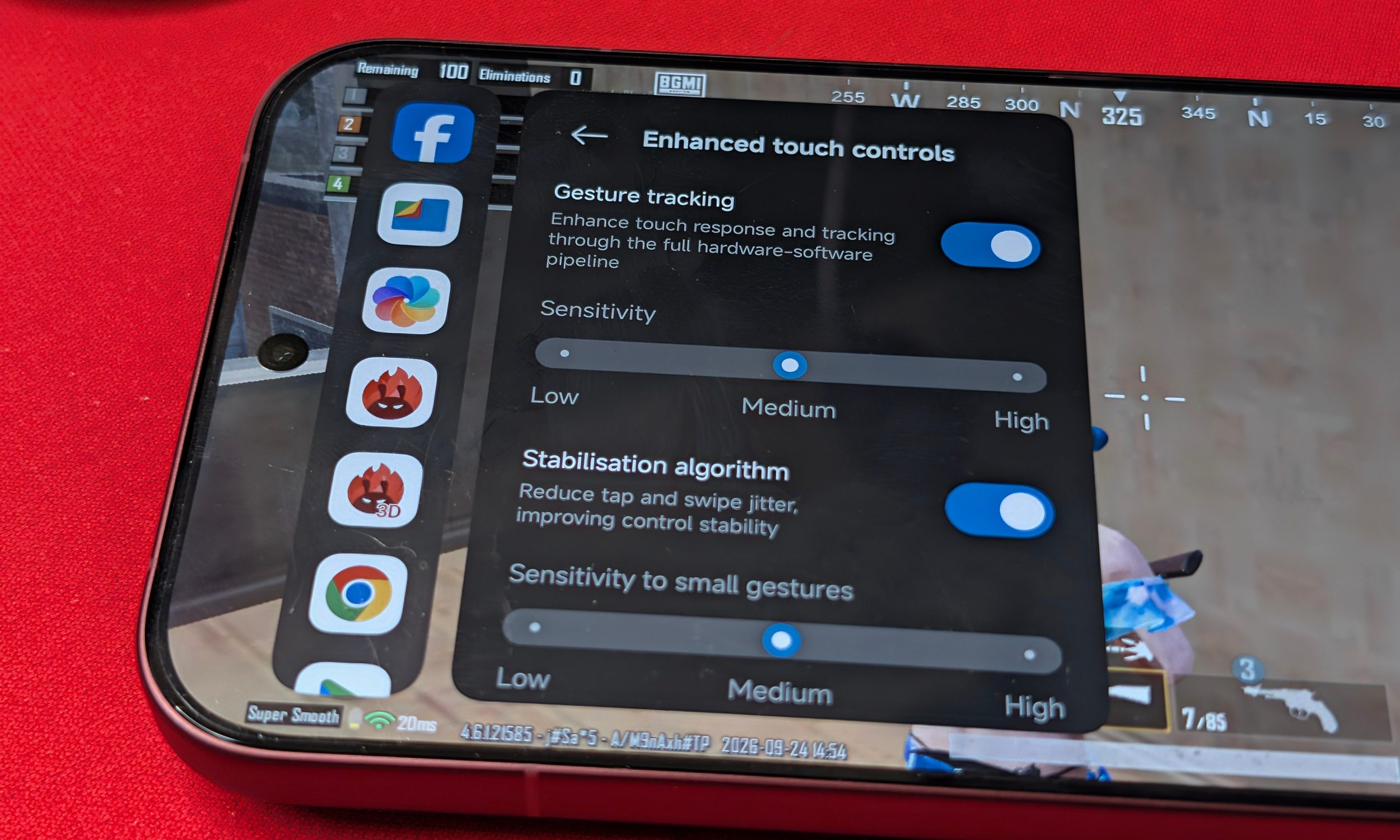
Even during intense fights at max graphics settings, the phone kept a stable 59fps. There were occassional drops, but the gameplay was never too choppy. POCO ships the phone with the Game Turbo feature, which lets you put the phone into Wild Boost performance mode. There are also enhanced touch controls, gyro boosting, recording tools, and the usual performance overlays.
Footsteps were easy to pick apart, directional information remained clear, and the subwoofer gives explosions and effects a little more body than I’m used to hearing from a phone. The F9 Ultra behaves like a gaming phone when you ask it to, but doubles as a normal flagship when you’re done.
The subwoofer is still kind of crazy
Quick Take: Yes, the subwoofer is partly a party trick. It’s also one of the rare smartphone gimmicks I made a conscious effort to use.
I already spent an entire article talking about this speaker system, and after another few weeks with it, I still think it’s great. POCO uses two symmetrical 1115D speakers alongside an independent 1620 subwoofer, creating a 2.1-channel system tuned by Bose. Let’s get one thing straight. You aren’t getting chest-thumping bass from something that fits inside a smartphone.
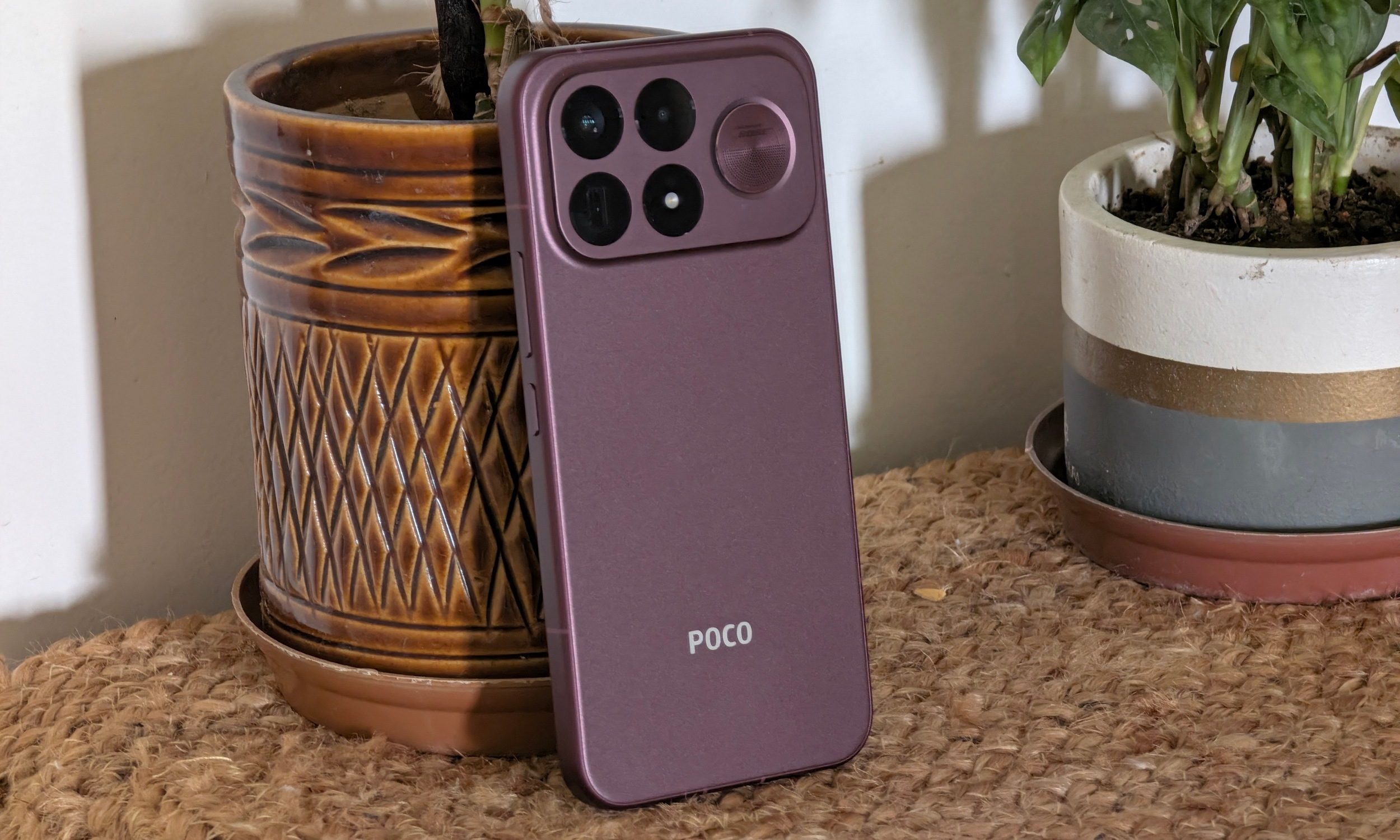
What you do get is clearer low-end information than most phones can reproduce. Bass notes are easier to distinguish, vocals stay clear, and there’s enough separation between instruments. I tried plenty of bass-heavy drum and bass and breakcore, alongside slower downtempo tracks. The phone handled both better than I expected.
There’s also enough physical output that you can actually feel the phone vibrate in your hand. I ended up preferring the Balanced profile over Dynamic. Dynamic emphasizes the lower end harder, while Balanced produces a cleaner overall presentation. At maximum volume, there is some distortion, and placing the phone flat can slightly muffle the rear subwoofer.
Yet, this is the first phone in quite some time that made me intentionally use the built-in speakers more. I’d put on a playlist while getting ready in the morning, doing chores, or even taking a shower. Pairing a Bluetooth speaker would only take a few seconds, sure, but I simply didn’t need to (or admittedly a little lazy too).
Audio score: 9/10
Battery life: A day and then some
Quick Take: The 8,050mAh battery is the real reason the F9 Ultra became one of my favorite secondary phones.
The subwoofer gets all the attention, but the battery is what holds this whole experiment together. An 8,050mAh cell is enormous even by modern Chinese flagship standards. POCO claims two-day battery life, and the hardware is paired with 100W wired and 50W wireless charging.
I was regularly seeing between eight and 10 hours of screen-on time, depending on what I was doing. On a regular day, I could reach bedtime with around 55% battery remaining. Overnight drain was usually just 2% to 3%, despite keeping the Always-On Display enabled and using the highest refresh-rate setting.
Two full days are possible. I wouldn’t call that completely effortless if you’re gaming heavily and pushing the display, but lighter use makes it realistic. Some calls, social media, photos, streaming, and general browsing leave this battery with a stupid amount of headroom. That reliability is why the F9 Ultra stuck around after I switched my main SIM to the Pixel 11 Pro.
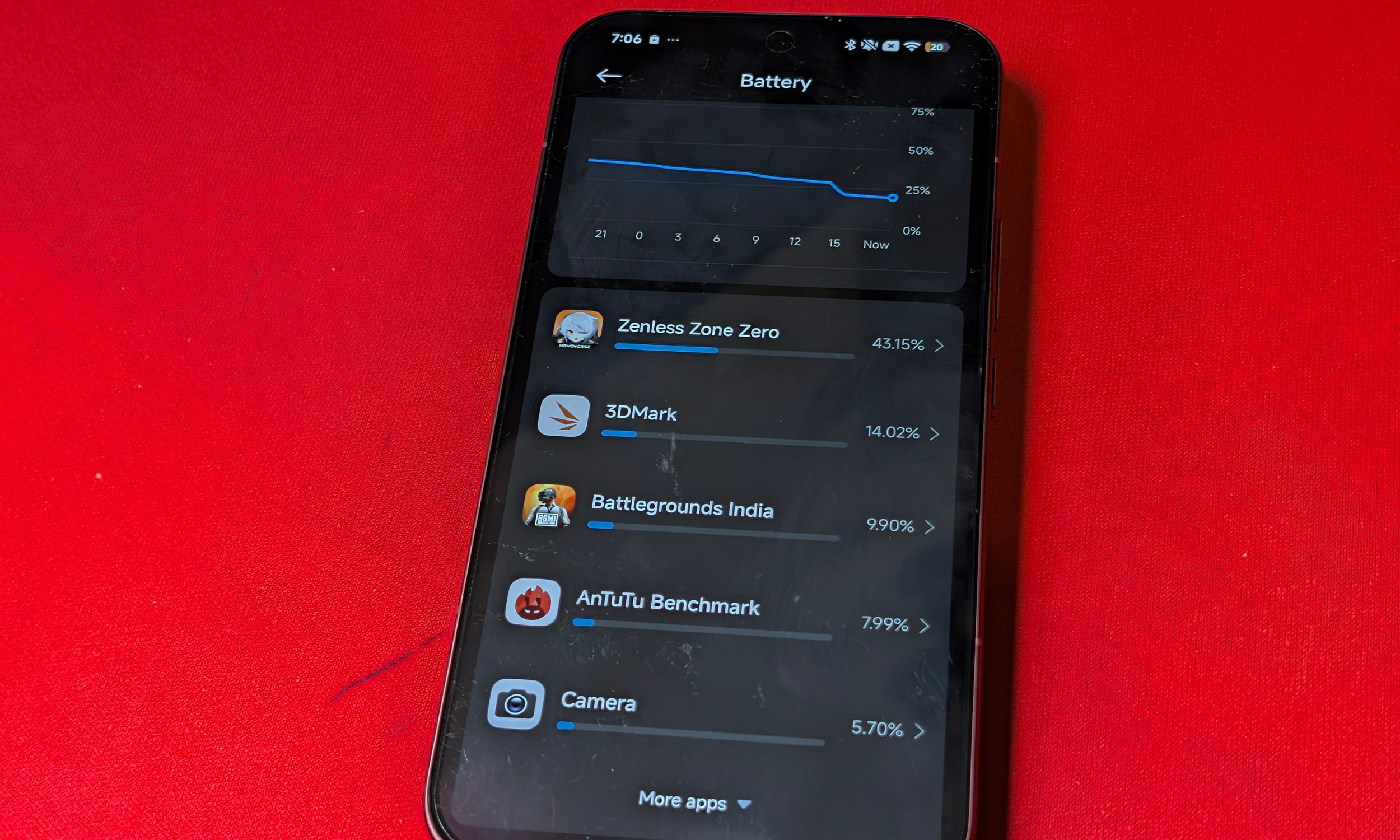
Even if I hadn’t touched it much the previous day, I could pick it up, see plenty of charge remaining, and immediately start gaming or watching something without thinking about an outlet. Rounding out this lovely endurance are the strong charging speeds. Using the included 100W adapter, I got from nearly empty to around 50% in just under 30 minutes.
A full charge took a little under an hour, which lands reasonably close to POCO’s 50-minute laboratory claim. I also tried wireless charging on a 25W pad. I wasn’t able to test POCO’s full 50W wireless speed, so I’m leaving that number as a specification rather than pretending I verified it.
Battery score: 9.5/10
Cameras: Not the best, but you get a lot of flexibility
Quick Take: The cameras aren’t why I’d buy the F9 Ultra. Still, POCO gave it enough versatility that they never come across as an afterthought.
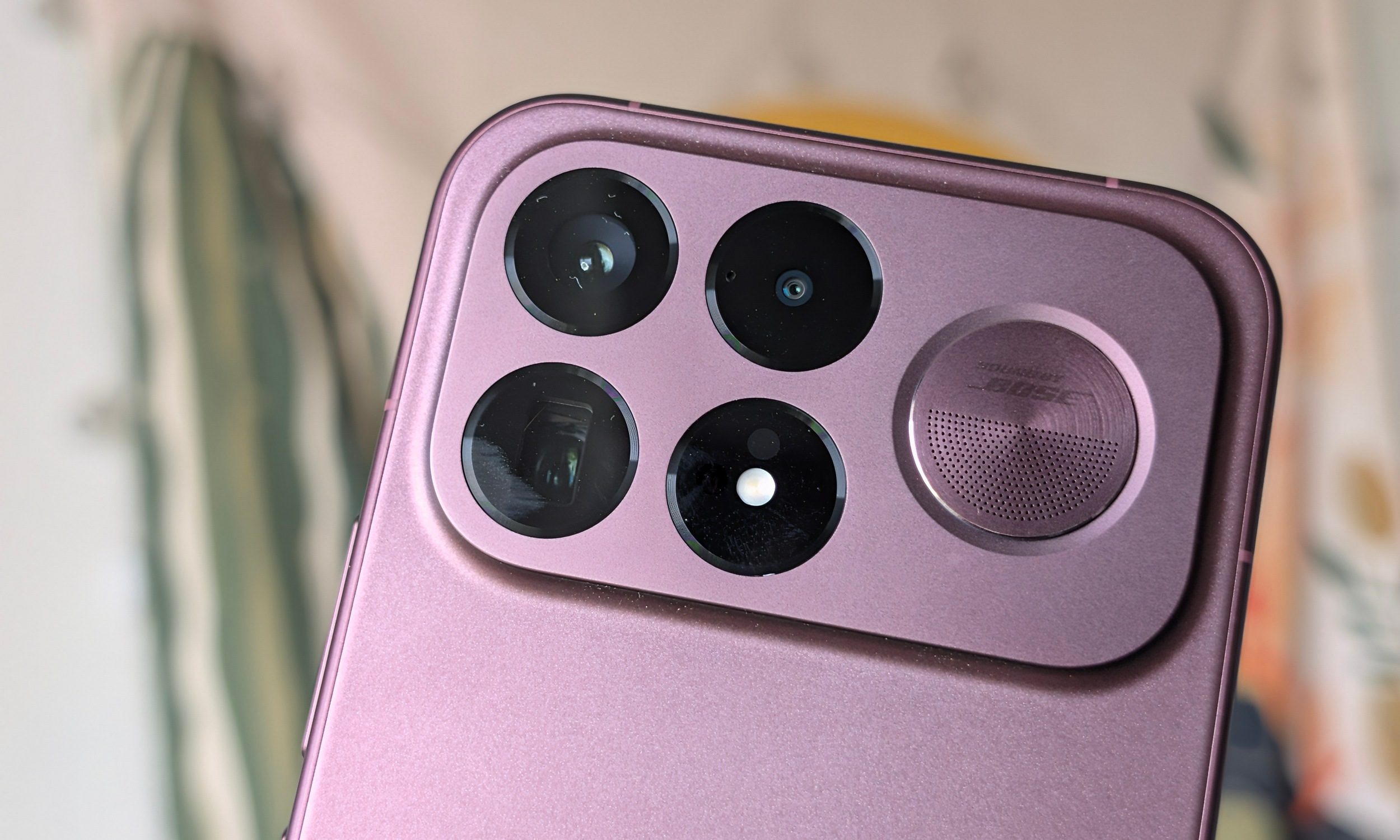
The camera hardware looks much more serious than I expected from a performance-focused phone. You get a 200MP main camera, a 50MP 5x periscope, a 50MP ultrawide, and a 32MP selfie camera. POCO also supports up to 10x sensor-assisted zoom and a telemacro mode from around 30cm.
The 200MP main camera is genuinely good during the day. Images retain plenty of detail, dynamic range is solid, and colors lean slightly punchier than reality. This makes the photos easy to throw straight onto social media. Skin tones usually look realistic in natural lighting. However, there are some weird inconsistencies on occasion with darker skin tones under mixed indoor lighting or shade. Sometimes the phone seems caught between raising exposure and keeping the face darker, leaving the final color a little unnatural.






The dedicated 200MP mode isn’t something I’d use often. You can squeeze a little extra detail out of it, but the additional processing time rarely justified the result. Low-light results are also surprisingly capable. It even comes close to the Xiaomi 17T Pro’s telephoto camera, which was one of my favorite parts of that phone.







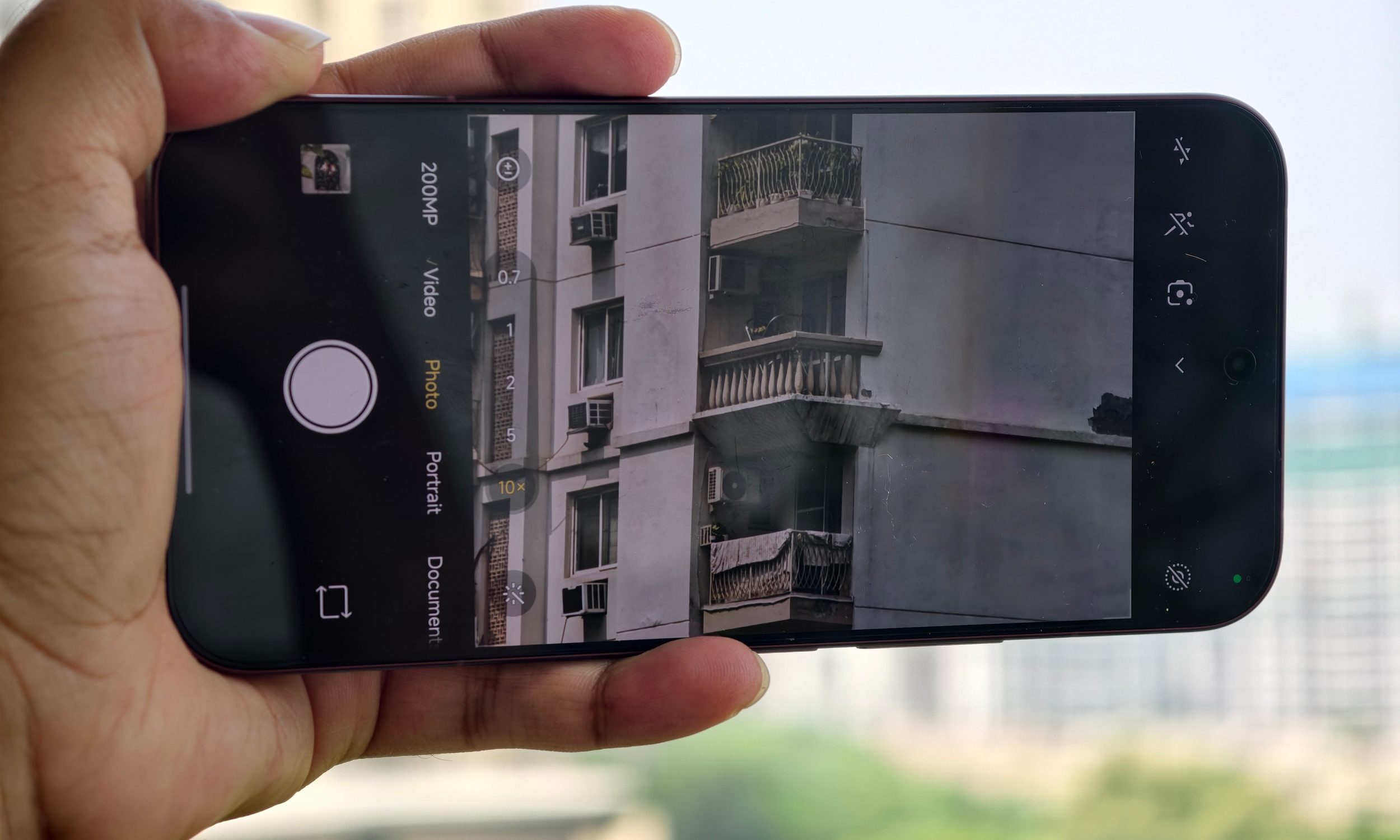
At 10x, images are still usable in good lighting. POCO calls this “lossless” zoom, which I wouldn’t quite agree with, but the detail and colors are good enough that the mode is genuinely useful. Past around 20x, sharpening gets much more aggressive. The ultrawide is where the camera system drops off. Daylight results are decent for the most part.






When the sun goes down, the smaller sensor and lack of autofocus become obvious. Fine detail drops toward the edges, and some distortion is visible around the frame. Low-light images are flatter and lose considerably more texture. The selfie camera is similarly acceptable. Dynamic range is decent, but the lack of autofocus holds it back. Xiaomi also enables its beauty processing by default, so I’d recommend disabling that immediately unless you enjoy watching your face mysteriously lose pores.



Video performance is respectable. Every rear camera can shoot up to 4K60, while the main camera adds 8K30. The selfie camera reaches 4K30. The main and ultrawide stabilization worked well during my testing. The telephoto is shakier, particularly while walking. For a phone focused this heavily on performance and endurance, the overall camera system is far more capable than I expected. Camera enthusiasts still have better choices at this price.
Camera score: 8/10
Software: Familiar in more ways than one
Quick Take: HyperOS 3 is customizable, smooth, and thankfully cleaner on this global unit than some Xiaomi phones I’ve used before.
If you’ve used the Xiaomi 17T Pro, the F9 Ultra’s software experience will feel right at home. HyperOS 3 is still heavily customized Android, and I have actually found myself enjoying a lot of what Xiaomi has done here. The global unit wasn’t packed with the kind of bloatware you might expect from some regional Xiaomi builds. There are Xiaomi’s own apps and a few preinstalled social apps, but I didn’t encounter ads or annoying notification spam
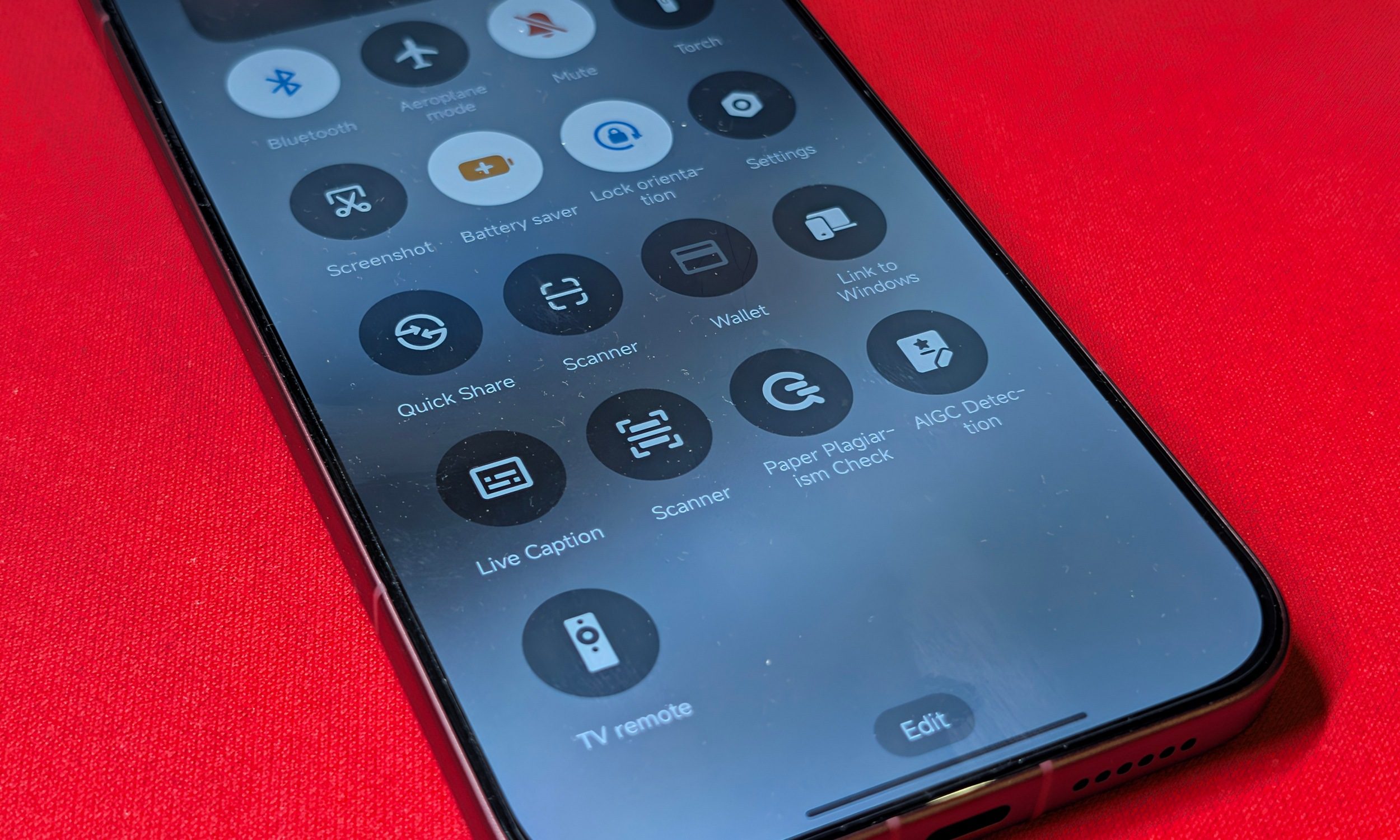
Animations are fluid, and Quick Settings gives you a ridiculous number of controls. The lock screen, Always-On Display, home screen, icon layout, system animations, and even fingerprint unlock animation can all be adjusted. Coming from the Pixel 11 Pro, which is considerably more restrictive about some of these things, I appreciated being allowed to mess around again.
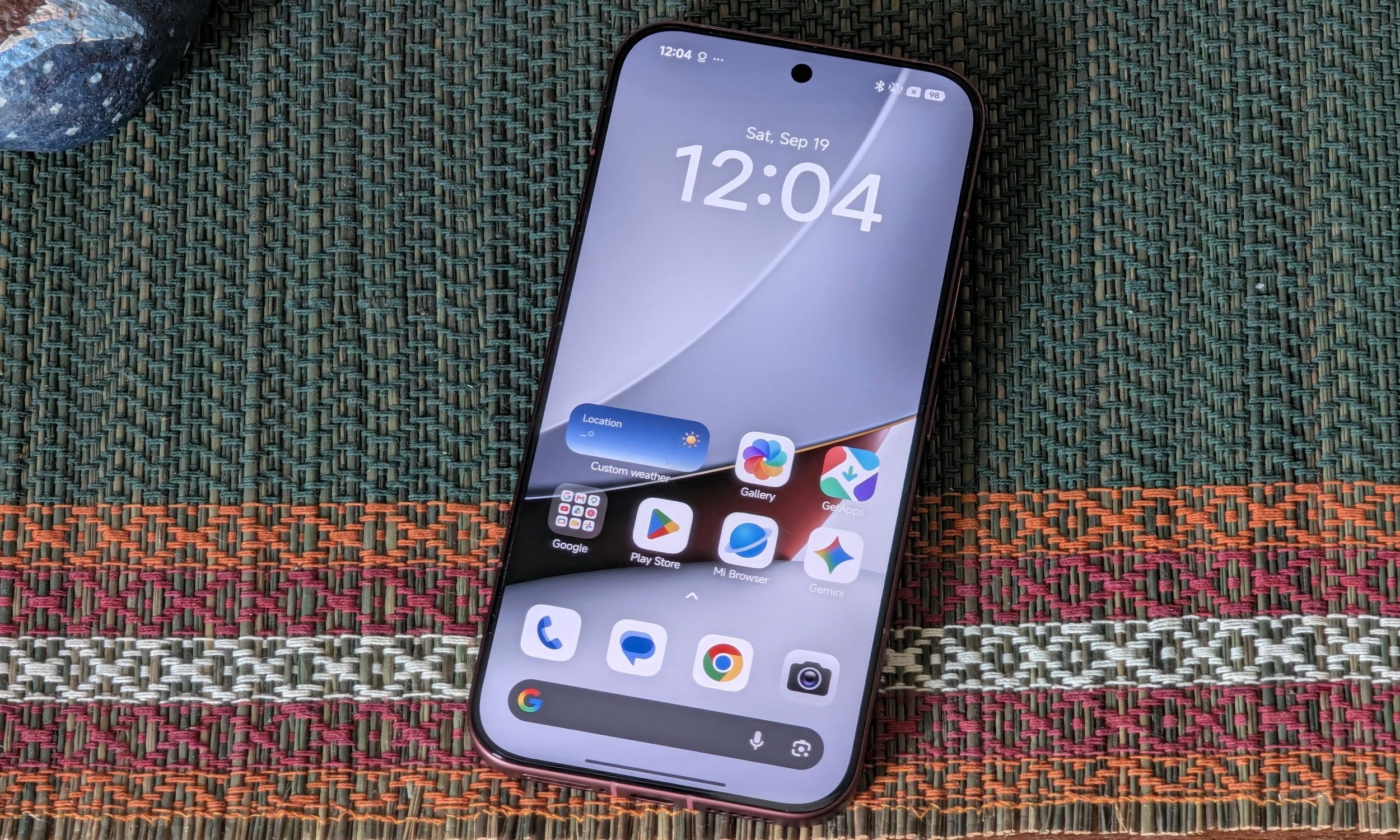
AI features include Xiaomi’s image editing tools, AI Image Expansion, HyperAI writing tools, live subtitles and translation, alongside Google’s Circle to Search and Gemini. I also continue to appreciate the IR blaster. It’s the kind of hardware you can completely ignore for weeks, then suddenly become grateful for when the air-conditioner remote disappears. The inspiration from iOS is evident, with some elements having a Liquid Glass-like appearance. Even so, a lot of its UI elements feel more iterative rather than a direct copy.
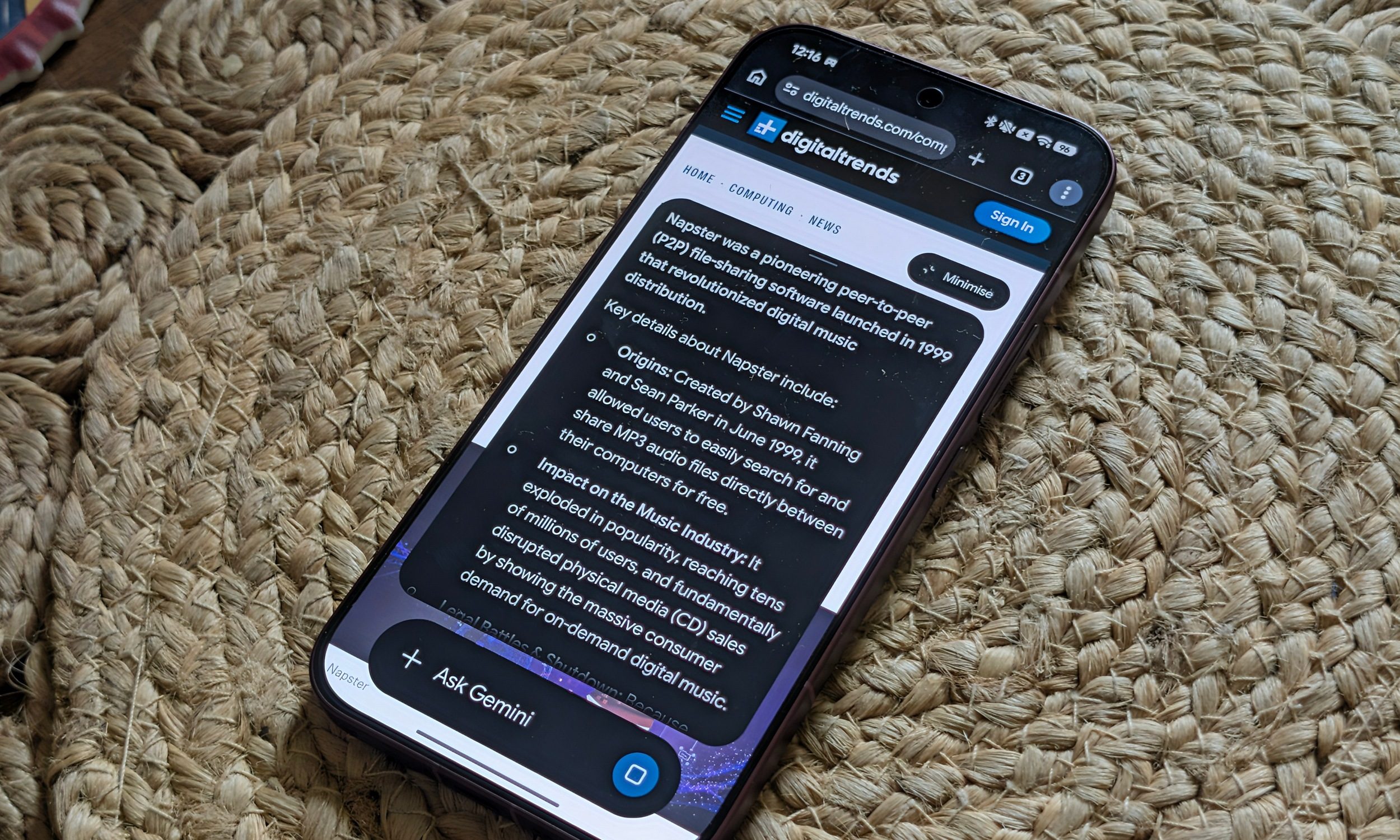
A great example of this is the division of the notification tray and quick settings and how they look. The ultrasonic fingerprint scanner deserves praise as well. It sits higher than many optical sensors, unlocks with the lightest tap, and proves extremely reliable. Haptics feel a little weak for a phone of this size. Overall, the F9 Ultra doesn’t come across as the “cheap POCO” once you’re inside the software. This is clearly the flagship of the brand.
Software score: 8/10
Should you buy the POCO F9 Ultra?
I originally cared about it because somebody finally put a proper dedicated subwoofer inside a phone. After a month, that feature is still charming. I actively used the phone speakers more than usual, and that alone says something about whether the idea worked. The battery became far more important. An 8,050mAh cell gives the F9 Ultra the endurance to back up everything else POCO threw at it. Gaming, a huge bright screen, loud speakers, flagship performance, and a powerful camera setup become much easier to enjoy when you’re rarely thinking about the battery meter.
Performance is another major strength. My F9 Ultra landed surprisingly close to the Red Magic 11S Pro in several GPU benchmarks, while delivering much stronger sustained stability in the Wild Life Extreme Stress Test. You lose the active cooling and shoulder triggers, but you gain a phone that’s much easier to live with every day.
Still, the F9 Ultra isn’t perfect. It’s heavy, slippery, and the fiberglass rear isn’t quite as luxurious as the glass on more expensive flagships. The ultrawide and selfie cameras also lag behind the main and telephoto cameras. US availability is also not quite straightforward. Still, at the $799 starting price, the F9 Ultra makes an extremely strong case for itself. Gamers will appreciate the performance, power users will love the battery, and anyone constantly playing music from their phone gets one of the strangest and most enjoyable speaker systems available.
Why not try…
Xiaomi 17T Pro
The Xiaomi 17T Pro is a better choice if camera character and premium construction matter more to you. Its Leica tuning gives the camera system more personality, and the glass-and-metal body comes across as more expensive. The POCO F9 Ultra counters with more raw performance, a larger battery, an ultrasonic fingerprint reader, and dramatically better speakers.
OnePlus 15
The OnePlus 15 gives you another performance-first flagship with excellent endurance and a more conventional overall experience. Its Snapdragon 8 Elite Gen 5 is extremely quick, and OnePlus has spent considerable effort tuning sustained gaming performance. The F9 Ultra stands apart with its 8,050mAh battery, Bose subwoofer, and lower $799 starting point.
Red Magic 11S Pro
Go with the Red Magic 11S Pro if gaming is the entire reason you’re buying the phone. Its active cooling, shoulder triggers, gaming controls, bypass charging, and wild design make it closer to a handheld console. The F9 Ultra gives up those specialized extras for a much more rounded everyday phone with better cameras and a less aggressive design.
How we tested

I used the POCO F9 Ultra for around a month. My review unit was the Dark Cherry model with 16GB of RAM and 1TB of storage. It served as my primary phone for several days before moving into a secondary role alongside other review devices. Testing was split between Wi-Fi and 5G, and I used the phone without a case for most of the review period.
Performance testing included Geekbench 6, AnTuTu V12, 3DMark Wild Life Extreme, Steel Nomad Light, and the Wild Life Extreme Stress Test. I also used the phone for games, streaming, photography, calls, social media, music playback, and general daily work.
Battery observations were taken from normal mixed use alongside heavier testing. Charging tests used the included 100W adapter, while wireless charging was tested with a 25W pad rather than POCO’s maximum supported 50W charger.
FAQs
Does the POCO F9 Ultra have good battery life?
Very good. The 8,050mAh battery delivered around eight to 10 hours of screen-on time during my testing, and I frequently reached the end of a normal day with roughly half the battery remaining. Two-day use is possible with lighter usage.
Is the POCO F9 Ultra good for gaming?
Yes. The Snapdragon 8 Elite Gen 5 delivers flagship performance, while the VisionBoost D8 chip can provide frame interpolation, super resolution, and Game HDR in supported titles. The F9 Ultra also performed extremely well in 3DMark, including 71.4% stability in the Wild Life Extreme Stress Test.
Does the POCO F9 Ultra really have a subwoofer?
Yes. It uses two symmetrical speakers alongside a separate 1620 subwoofer to create a 2.1-channel setup tuned by Bose. Bass is clearer and more distinct than on most phones, although it still can’t reproduce the physical impact of a proper external speaker.
Does the POCO F9 Ultra always run at 185Hz?
No. Regular Android use generally operates at lower refresh rates, while the 185Hz mode is intended for supported gaming scenarios. POCO says more than 20 titles are supported across its high-frame-rate ecosystem.
Are the POCO F9 Ultra cameras good?
The main 200MP camera and 5x telephoto are both very capable. The 5x lens is particularly enjoyable for portraits and longer-distance shots. The ultrawide and selfie cameras are weaker, so buyers prioritizing photography above everything else have stronger alternatives.
Can you buy the POCO F9 Ultra in the U.S.?
POCO doesn’t have a conventional official US retail launch for the F9 Ultra. American buyers will generally need to look at unlocked global versions through import sellers, and carrier compatibility should be checked before buying.